
Effects of bad breathing
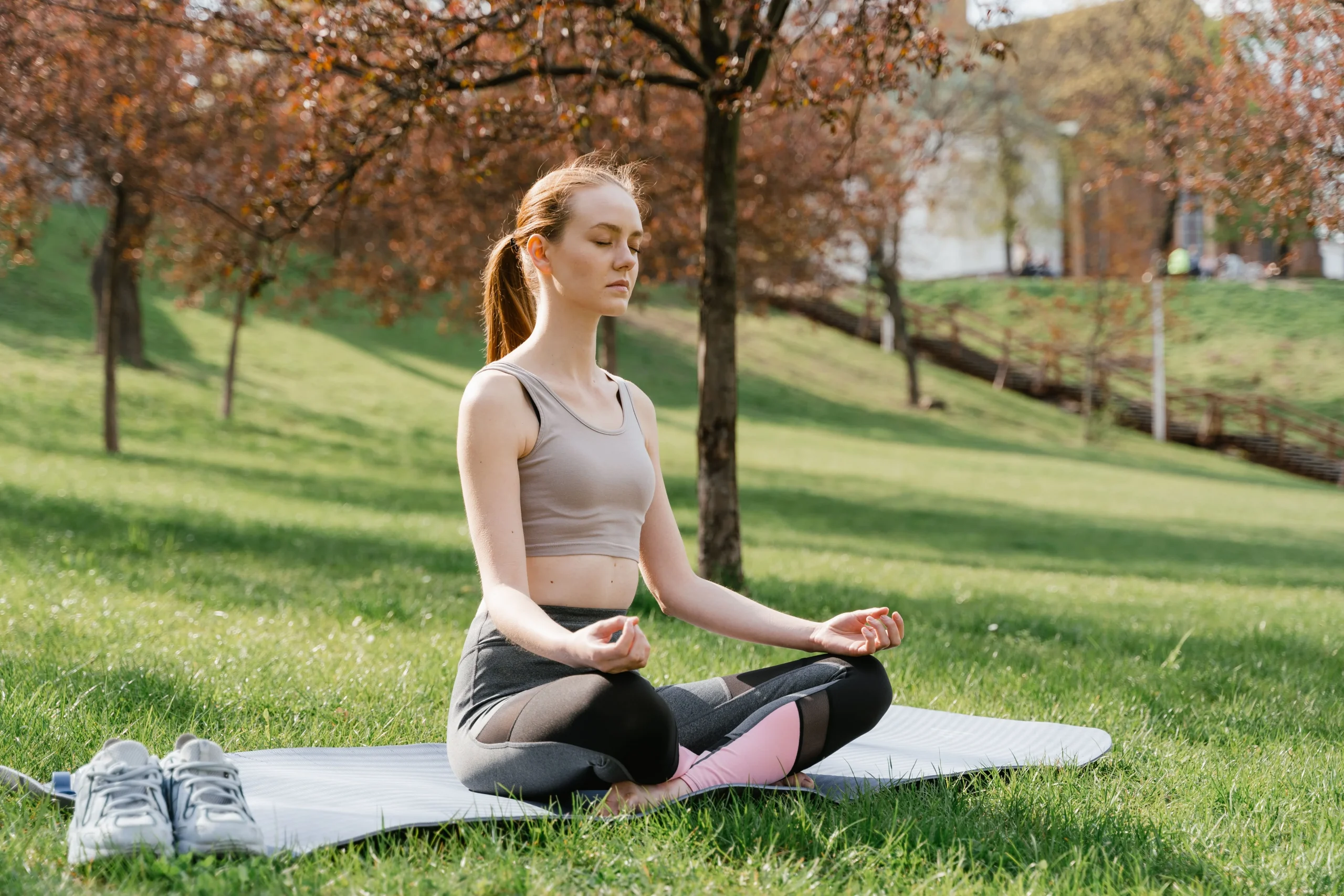
Poor breathing during exercise can have negative effects such as: Increased fatigue. Hyperventilation. Excessive muscle tension in the neck and shoulders. Stress and anxiety. Increased heart rate and blood pressure. Symptoms of asthma or shortness of breath. Our tips: More than 60% of […]
Benefits of good breathing

Proper breathing—regular, slow, and deep—will: Improve your state of relaxation. It will help improve oxygenation. You'll be able to exert less effort on your heart. It will increase lung power and exercise tolerance. It will decrease physiological activity. It will improve respiratory problems. It will reduce fatigue. […]
When should you use mouth breathing?
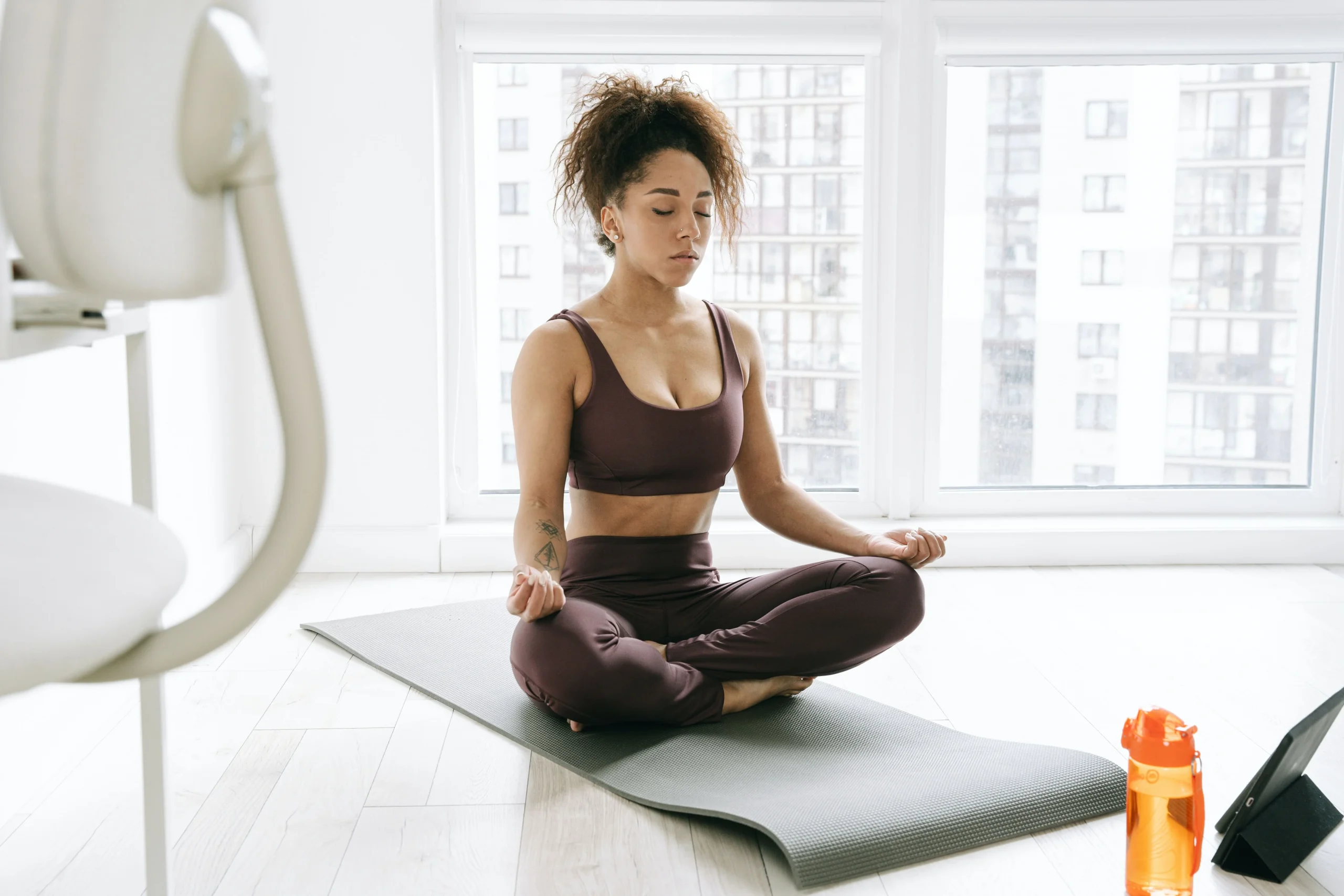
When you feel you need more power—specifically, when you're performing your routine and are increasing the intensity significantly—you can use the mouth-to-mouth breathing technique. However, this breathing is only recommended for short periods of time, not for long periods, as the exhaustion would cause you to suffocate. This technique of breathing in and out through the mouth is […]
How to be aware when breathing?
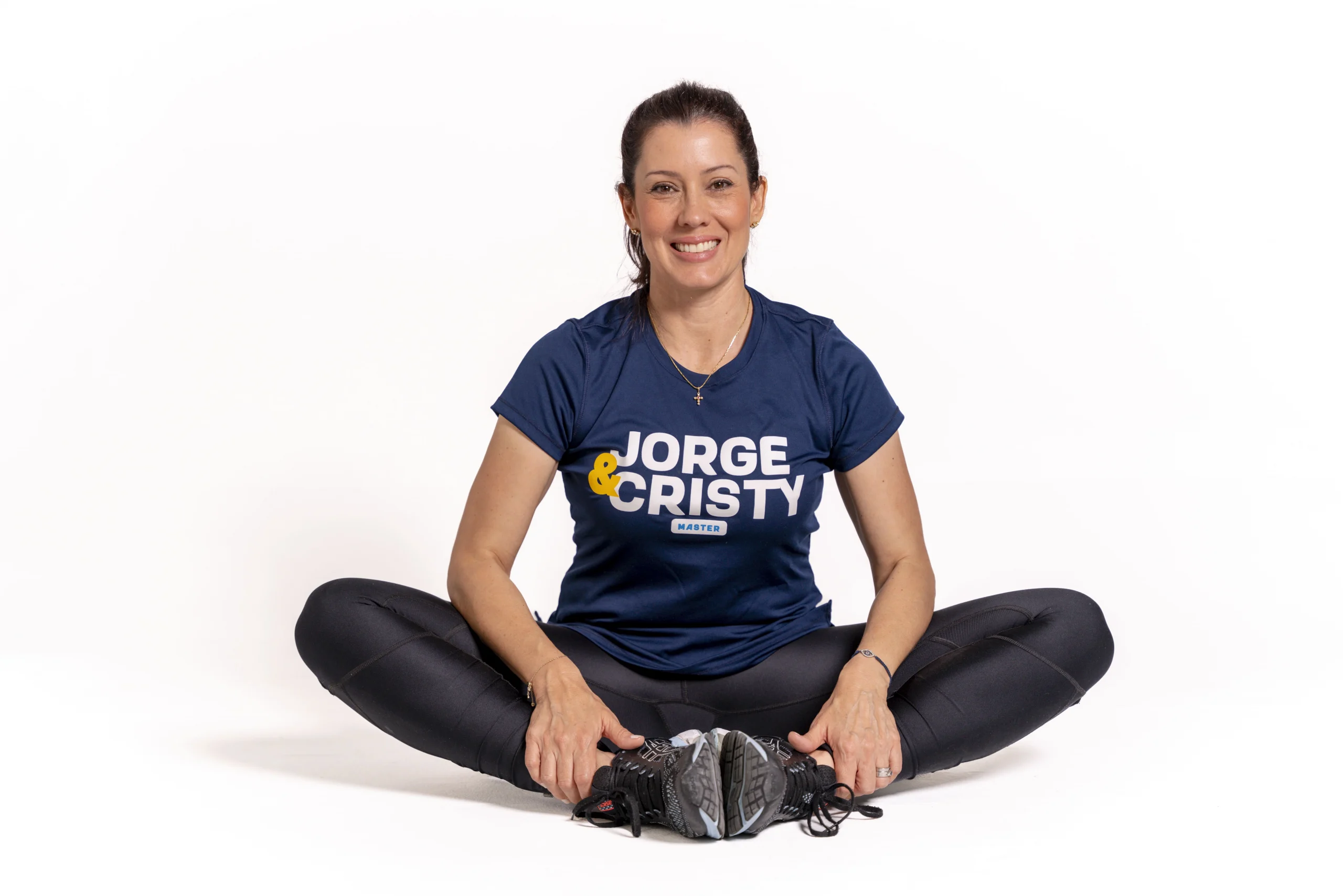
Let's do a breathing test. Place one hand on your chest and the other on your abdomen, breathe normally, taking in a good amount of air, and you'll be able to see which hand moves more; that will be the type of breathing that predominates when you breathe. Do you feel your chest inflating? […]
How many breaths should I take per minute?
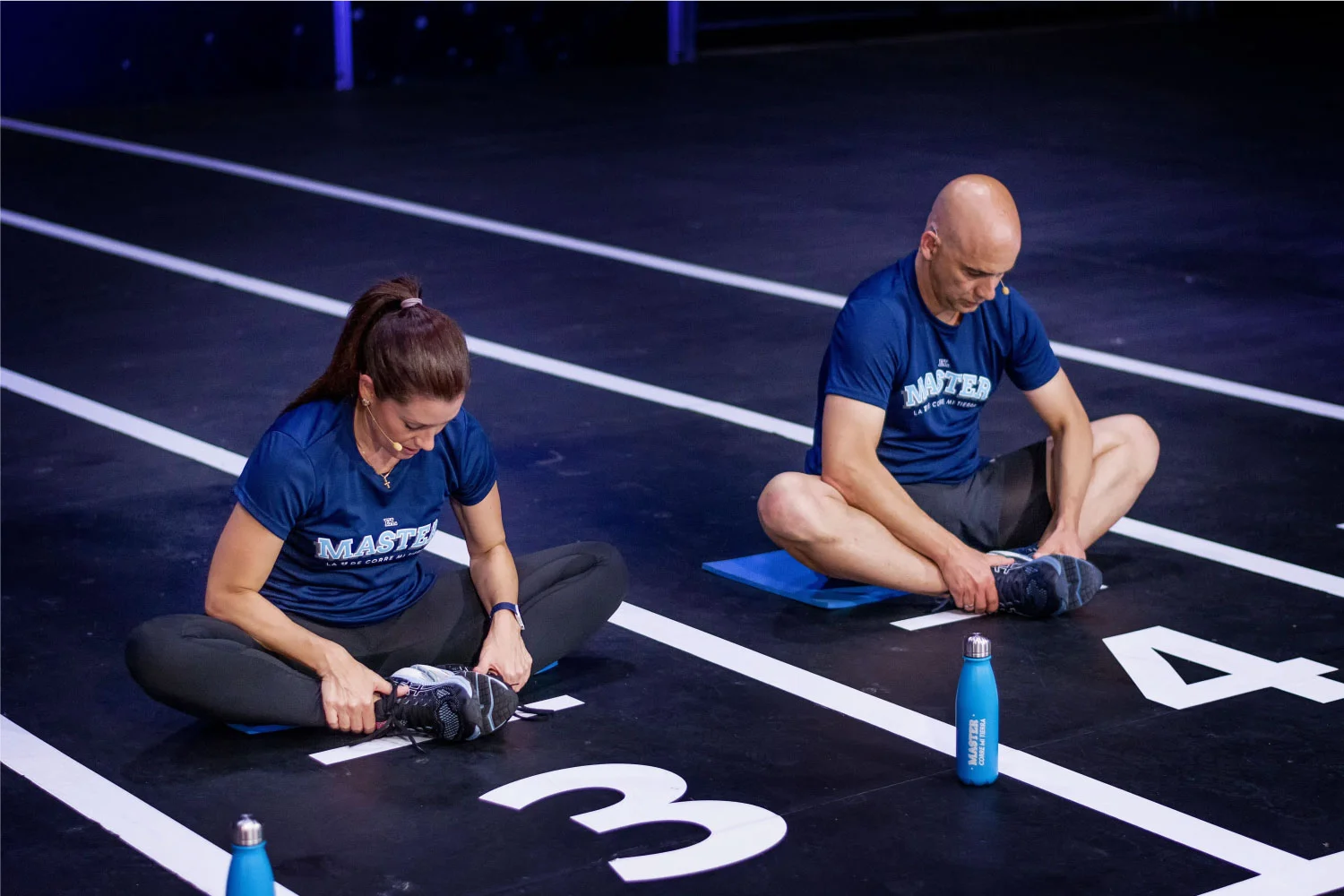
With a stopwatch in hand, you're going to breathe as normally as you can for exactly 1 minute, and you're going to count how many breaths you took in that minute. For clarity, a breath includes when you inhale and when you exhale, or breathe out. Are you ready? Are you ready? Let's count. Inhale and […]
Why is it important to learn to breathe?

That's why, here, we'll provide you with valuable information that will help you acquire the knowledge and put it into practice in your training so you can achieve: Improved performance. Good recovery. An excellent connection with your body. Recognize and manage the wear and tear that […]
Apps to increase cadence
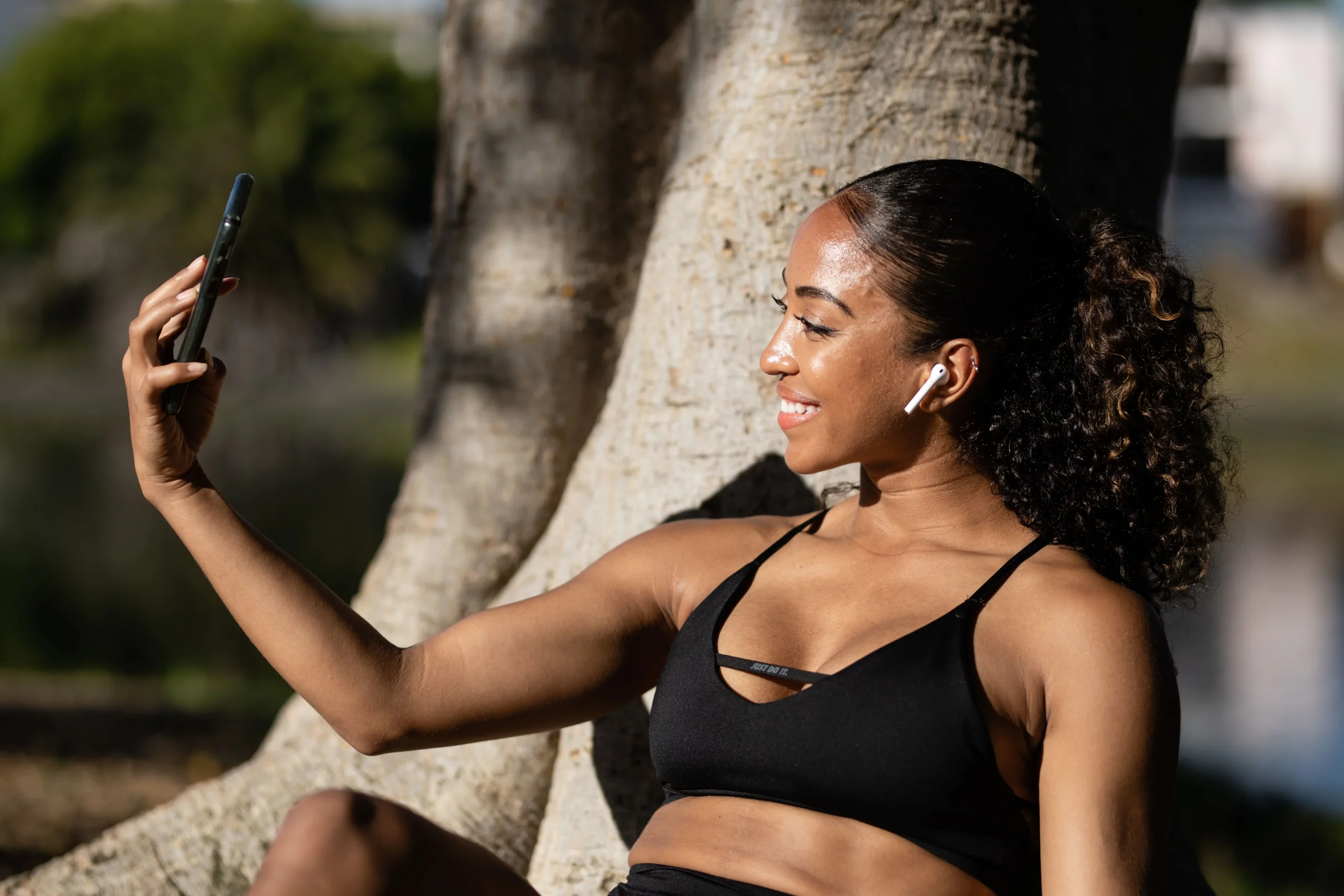
A metronome helps you play tones at a regular rhythm and is very useful for training your body to a proper cadence. You just need to match each step you take to the sound of the metronome, synchronizing your leg movements. AudioStep: allows you to select the cadence from 120 to 200 bpm, and […]
What are the benefits of improving cadence?

1- Your technique will improve: It brings you a circular benefit, since improving your cadence improves your technique and vice versa. 2- It minimizes the risk of injury: As you know, injuries are our worst enemy, but with good technique we can avoid them as much as possible. According to a study published by the NCBI, which evaluated […]
What is the ideal cadence?

According to various theories, it has been established that when you take longer strides (remember: not too long) and increase your step frequency, you optimize efficiency and minimize the risk of injury, helping to reduce the impact on your knees, heels, hips, and joints. With an ideal cadence, you could achieve: […]
Differences between a diet and a structured diet

The truth is that the word "diet" isn't what it's portrayed as; it's an eating plan that controls or regulates the amounts and types of foods we should eat to achieve a specific goal. Some studies say that 97% of people on "strict diets" to achieve a specific goal are […]


