The weeks leading up to these types of competitions can be crucial for accumulating the greatest amount of energy, also known as muscle fuel (carbohydrates stored in the muscle are the primary source of fuel for high-intensity muscle contractions), which is primarily composed of carbohydrates.
These can be stored in the muscles and in the form of glycogen in the liver, making it possible to prevent both muscle fatigue and tiredness.
The 5 commandments of nutrition
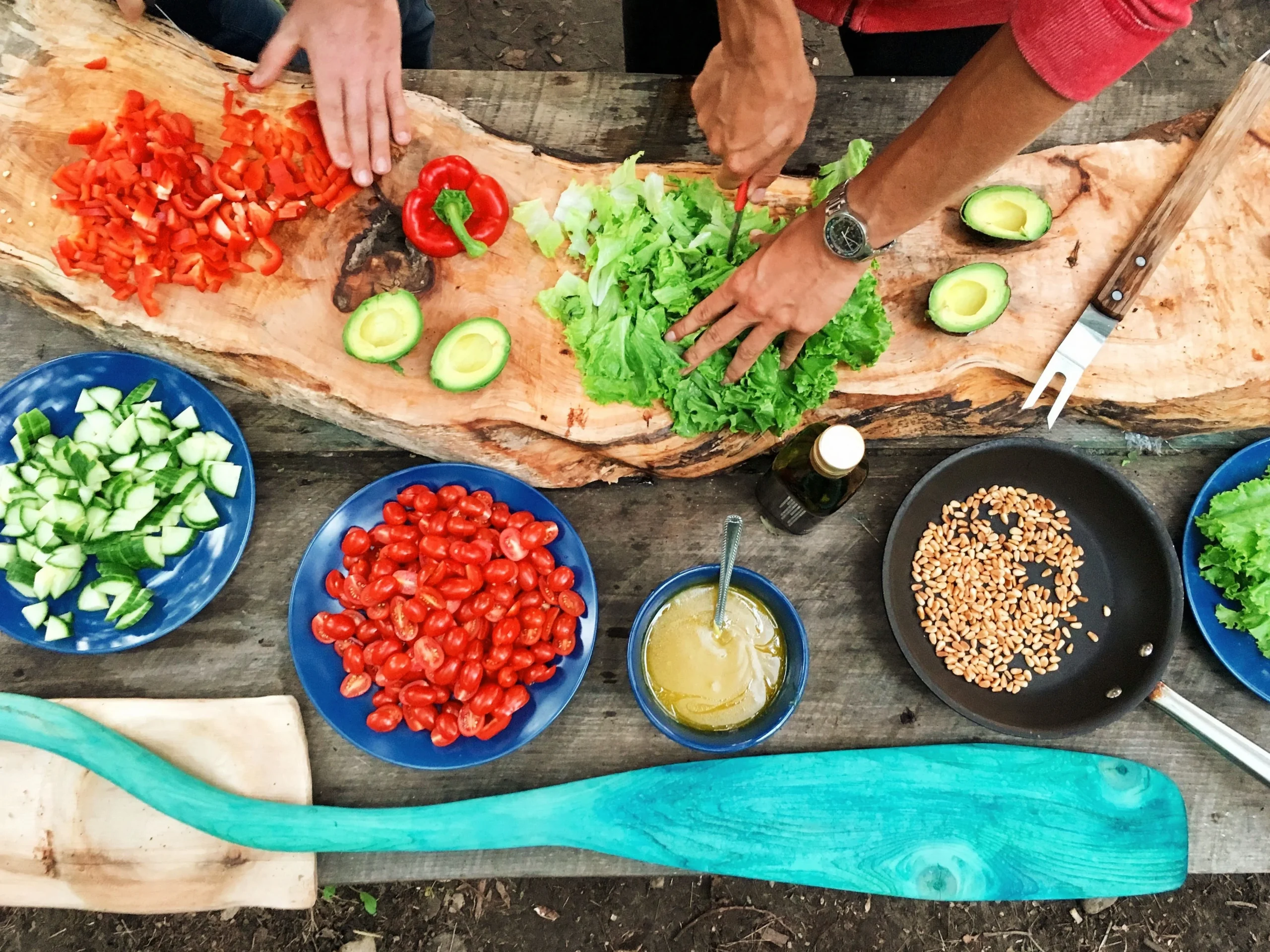
There are five commandments that will undoubtedly serve as a basis for knowing what you should have on the table before any of our competitions.
1. Carbohydrates
There's no doubt that carbohydrates are and will be the kings of your diet in the days leading up to any of your competitions. You should consume plenty of them throughout all your meals to achieve an optimal fueling effect, so pasta, fruit, bread, rice, potatoes, and other foods should be the centerpieces of your menu.
Ideally, you can integrate a personalized diet, adjusting the amounts to your weight. You should also aim for 9 or 10 grams of carbohydrates per kilogram, which is an adequate overload diet. For example, a person weighing 70 kg should consume between 630 and 700 grams of carbohydrates per day.
It is often thought that quantity alone is enough, but this is not the case, as the type of pasta is equally important. For example, whole wheat pasta is a better option than pasta made from refined flour.
2. Hydration
It's essential not to neglect hydration, as it's of utmost importance, even throughout the season, although it takes on even greater significance in the days leading up to the eagerly awaited race.
If you're on a loading diet but don't get enough hydration, your muscle glycogen won't increase; so you need to think about each gram of glucose you need to add—or three milliliters of water. Don't forget that!
3. Out with junk food
You should leave aside the sausages, cookies, snacks and all packaged food, as they will not be able to help you at all, but on the contrary, may worsen any outcome.
The only thing it could possibly provide you with is saturated fats, additives, and trans fats—there's absolutely nothing of interest to you! You should eat the right foods: fruits, grains, and vegetables, and avoid unnecessary foods altogether.
If anxiety calls for snacking, you should always carry any snack that is healthy like low-fat nuts, dried fruits, carrots with lemon, natural Greek yogurt.
4. Breakfast before any competition
Having your long-awaited energy stores ready will be key to achieving the desired results, so the first thing you need to keep in mind is digestion time. You should eat ahead of time so you can arrive at the race feeling like you've already digested your food, but without feeling hungry, although nerves can slow down the rate of absorption.
The trick is to stay hydrated and consume no more than 100 to 400 g of carbohydrates, or the amount needed based on each individual's physical characteristics.
The specific basis for this breakfast is very simple: high in easily digestible carbohydrates, low in fiber and fat, and try to consume foods you know well; for example:
- A glass of juice accompanied by some toast covered with jam or peanut butter.
- Oatmeal, cereal, and a soy and honey drink can be complemented with toast and turkey.
- Oatmeal or cereal, accompanied by a bowl of strawberries.
5. Moderately high protein
The word "moderation" is very apt. Protein is truly important during training, and also during recovery, but it's important to note that it shouldn't be the main focus in the days leading up to it; consume it, but in small amounts.
The reason is extremely simple: if you eat too much protein, you can feel full sooner and thus not get the carbohydrates required for your load, so there's no problem at all consuming it in moderation at lunch and dinner.