We don't realize how important hydration is in our lives, or even if we do, our knowledge may be insufficient.
What we're going to tell you is how to hydrate properly so you can notice the difference in your daily performance. That's why we want to share some key tips that will help you understand how you're doing and how you can improve your hydration habits, not only during physical activity but also in your daily life.
If you think this information could be useful to someone else, please share it; they'll surely appreciate it!
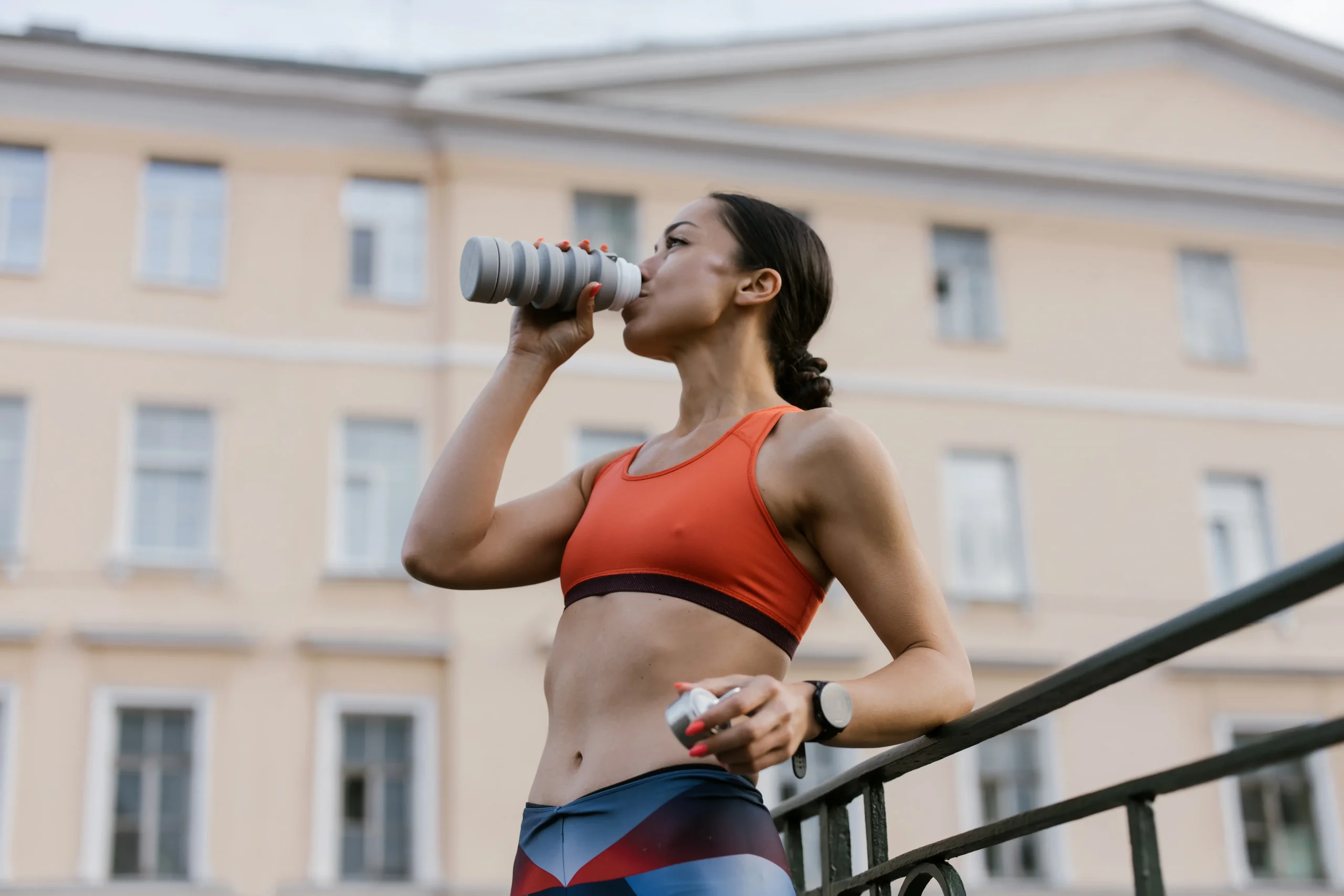 Photo: www.pexels.com
65% of our body weight is water
It's important to be clear about what HYDRATION means. Did you know that water accounts for 65% of our body weight? … 65%. AWESOME!
This means that water is the liquid that will keep you feeling the well-being and balance your body so desperately needs.
Understanding the factors that cause you to lose fluids and salts is very important so you can take action in time and stay well hydrated throughout the day, not just during physical activity.
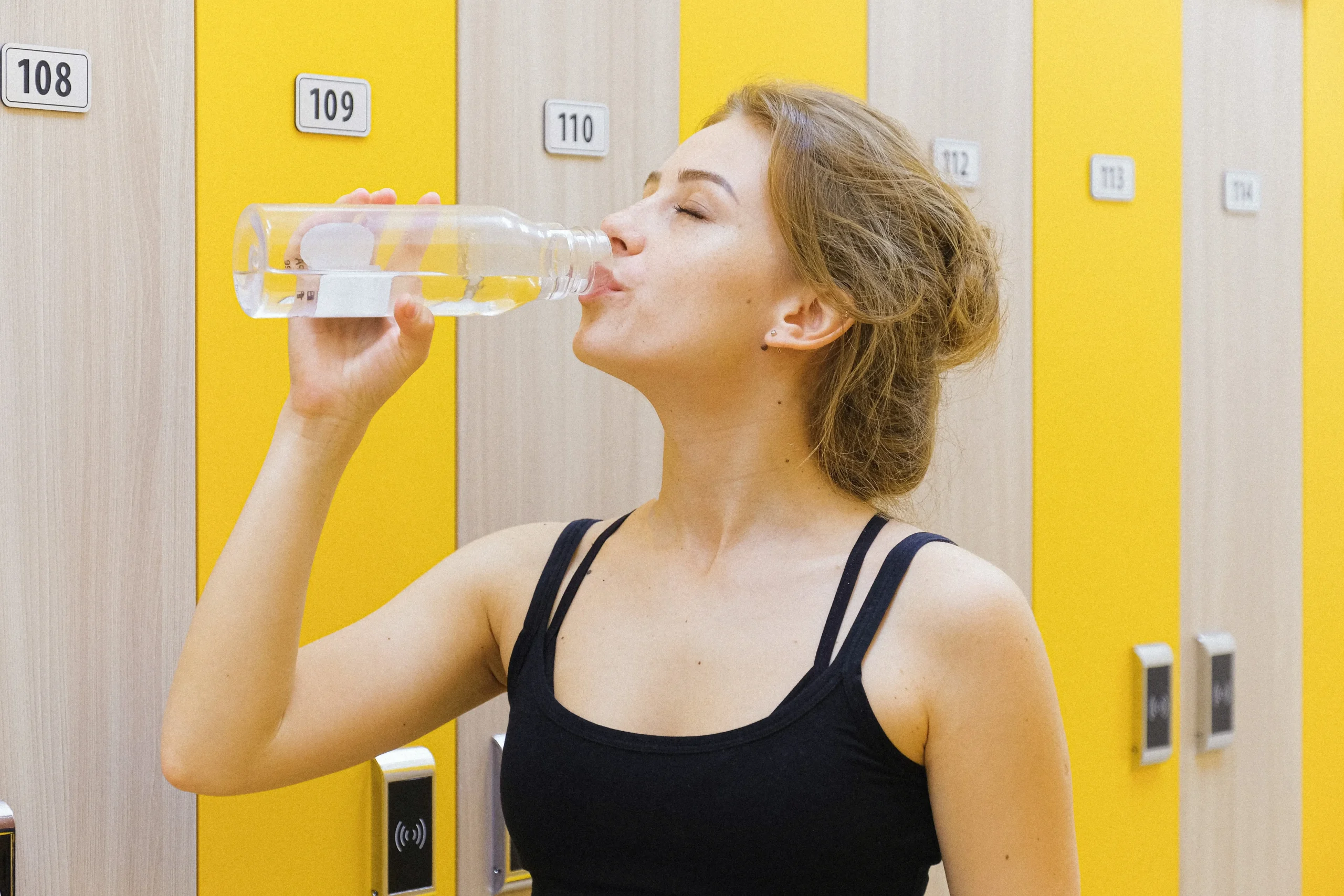 Photo: www.pexels.com
The four factors that affect and can cause dehydration
Let's start by understanding that we don't just get dehydrated simply by exercising; there are other factors that affect it as well. The four factors that affect your hydration are the weather, the place where you do your workouts, the clothing you wear, and, of course, the type of exercise you do, including its intensity and duration.
1. The Weather: It's one thing to exercise in a city with a very hot climate and high humidity, which will make you lose a lot more fluids and therefore you will have to drink twice as much water. It's quite another to exercise in cities with temperate climates, where it's not too hot and which will allow you to stay hydrated with less fluid.
The same would happen with schedules: if you train at midday, you will experience greater wear and tear and fluid loss than if you trained in the early morning or late afternoon.
2. Specific Location: Exercising or running in a countryside with plenty of trees, which will give you a greater feeling of freshness, isn't the same as exercising in an open-air square or even on the street, where running can lead to increased sweating depending on the area and the type of surface, especially if the streets are paved and have little tree cover or nature. You'll feel the heat rising from your feet to your upper body.
3. The Clothes: Essential for losing fluids, and even for your sense of comfort or discomfort while performing your routines. Always choose quick-drying clothing when exercising, that is, those that claim to have Dry Fit properties. They make you feel cooler, more comfortable, and even lighter, and will help you perform. Some even come with partial UV protection to protect you from the sun. Avoid clothing made of cotton or thick fabrics like hoodies or sweatshirts, which will make you feel heavy, you'll sweat more, and you won't burn more fat, but you'll lose more fluids.
4. The Type of Exercise: For obvious reasons, it will also depend on the intensity with which you work your routines and the length of time you do them. It's one thing to exercise for an hour, but quite another to increase your exercise time. Additionally, it will depend on the weights you use in your routines.
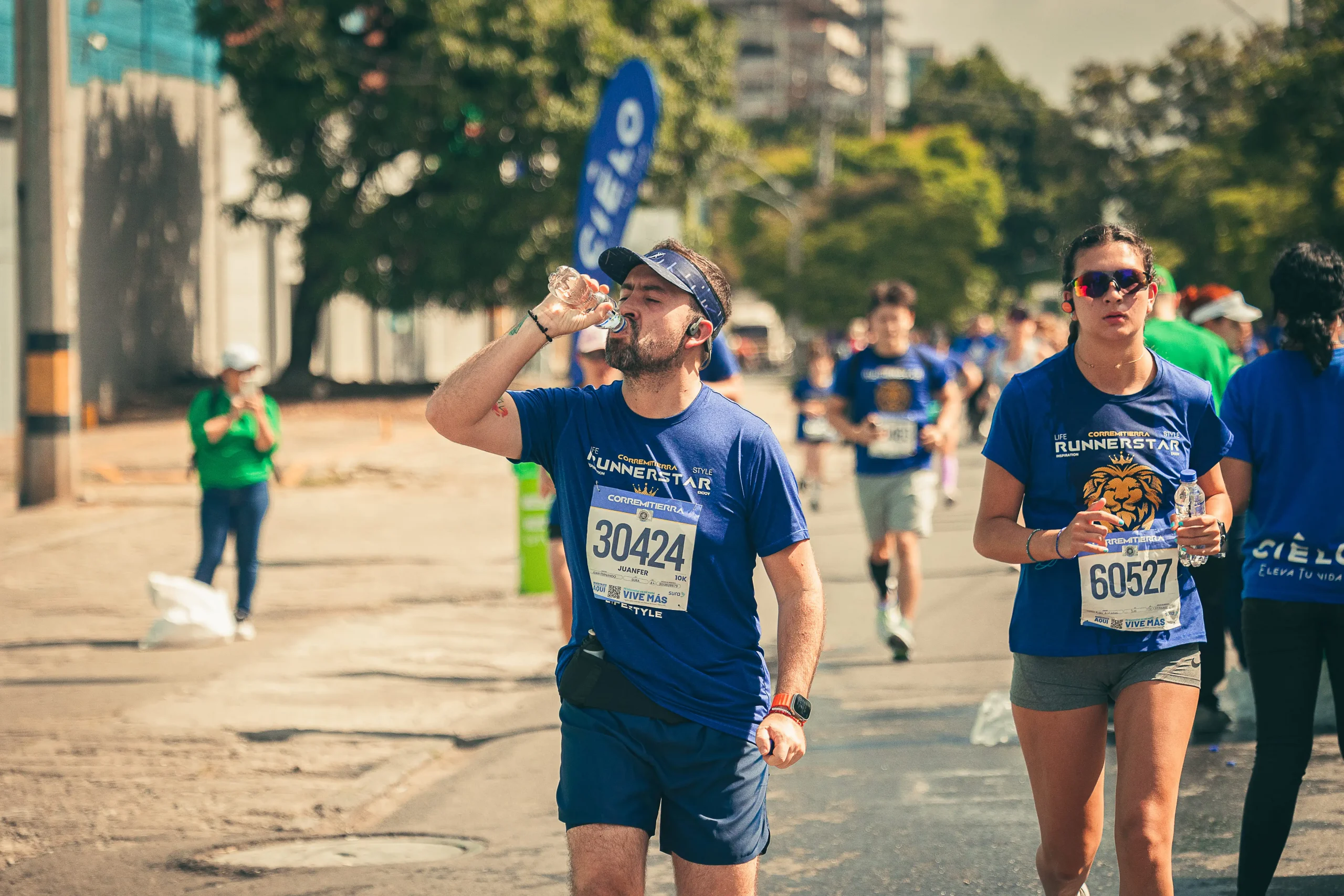
For someone running a 5K race or exercising for 35 to 45 minutes, it's ideal to hydrate once or twice. If you're running a 10K or exercising for 50 to 60 minutes, it's recommended to hydrate four to six times.
If you're running a 21K or your exercise routine lasts more than an hour and a half, you'll need a larger amount of fluids, including supplementing with other isotonic drinks, cereal or rice bars, and gels.
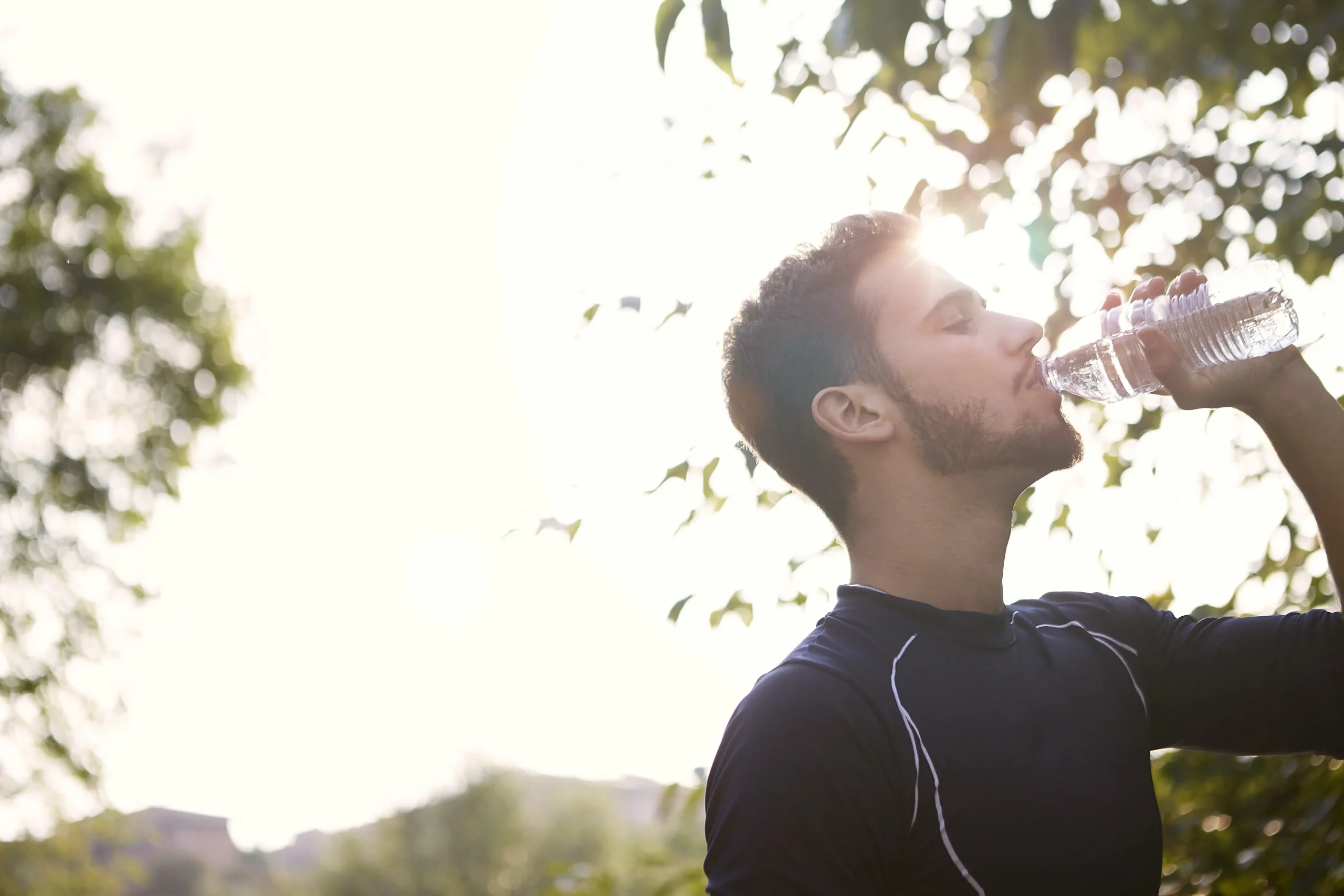 Photo: www.pexels.com
If this was helpful, please follow us!
We hope you put these tips into practice so they serve their purpose and you feel much better when facing a new challenge.